Boost Writing Independence with a Personal Picture Dictionary
/"Ms. Brown! How do you spell because?"
"How do you spell friend?"
"Can you help me spell beautiful?"
If you've taught primary students for any length of time, you've probably heard these questions over and over again during writing time. While I love helping my students, I've learned that constantly spelling words for them doesn't help them become more confident writers. In fact, it often interrupts their thinking and keeps them dependent on me for answers.
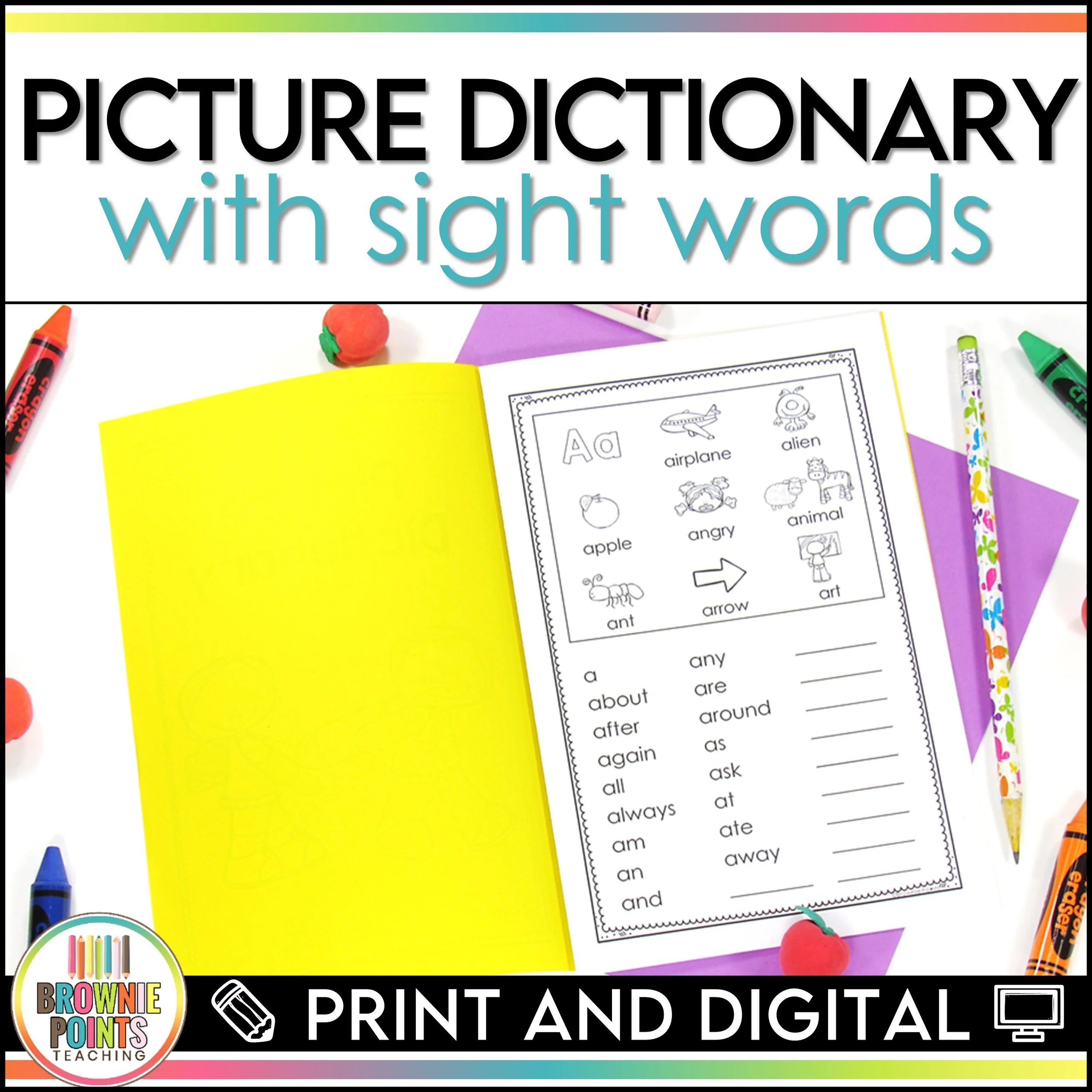
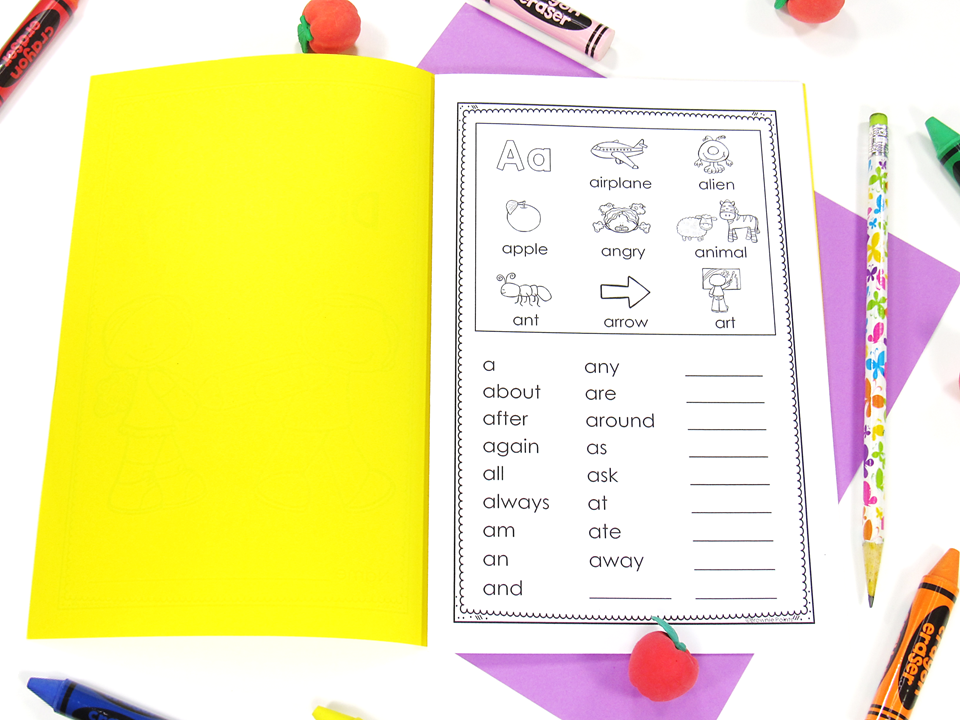
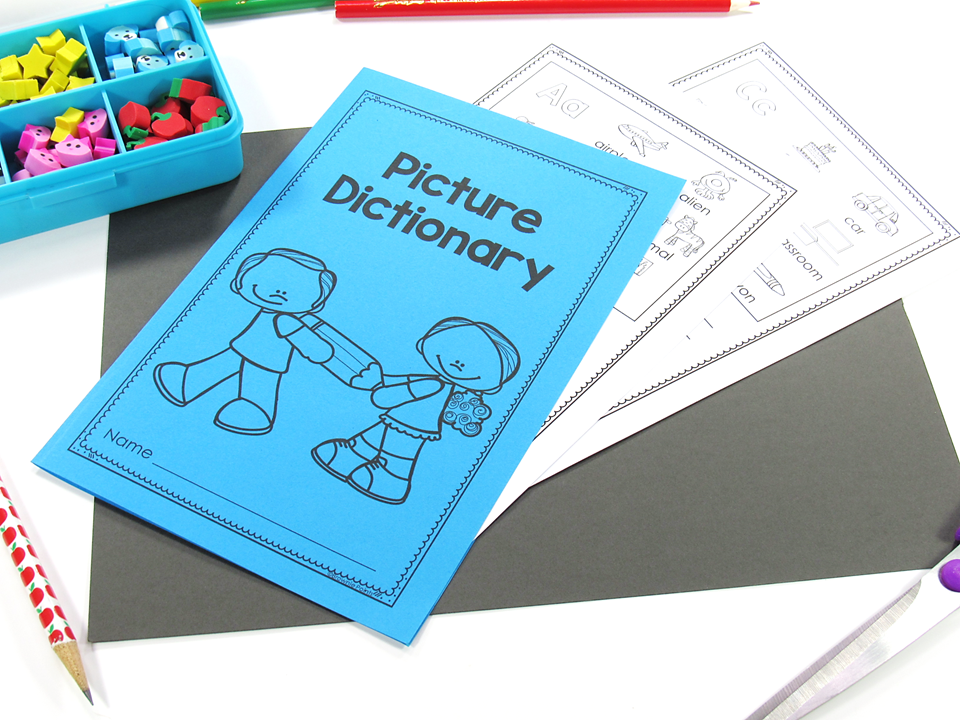
One of the simplest tools I've added to our writing routine is a personal picture dictionary. It's a resource that I have students keep in their desks, giving them quick access to common words, picture-supported vocabulary, and space to add new words they use throughout the year.
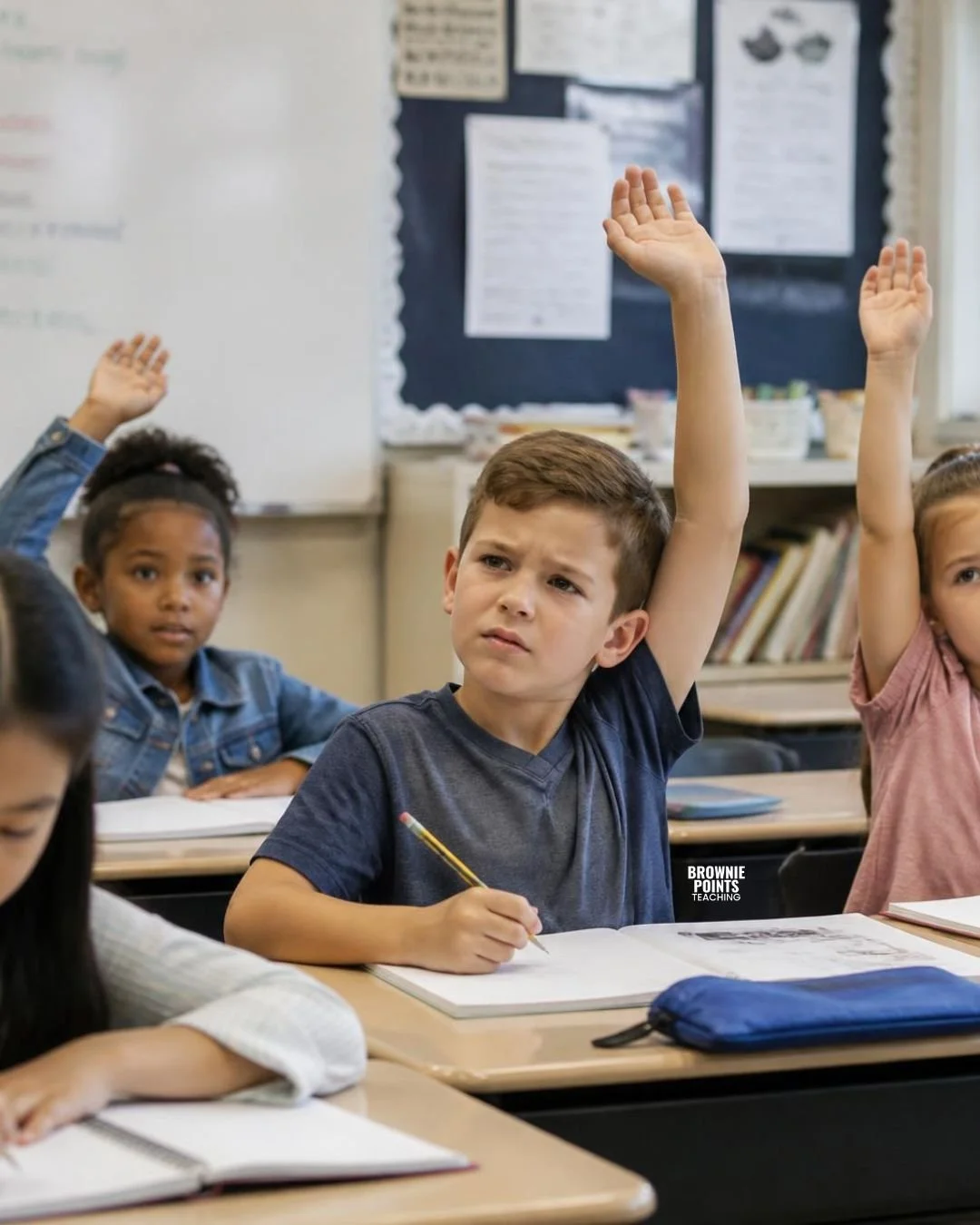
Instead of waiting for me, my students have a strategy they can use independently - and that means more time writing, less time waiting, and less interruptions if I’m working with another student or small group.
Whether you're teaching primary, or supporting developing writers in junior/upper elementary grades, a personal picture dictionary can quickly become one of the most valuable tools in your classroom.
What Is a Personal Picture Dictionary?
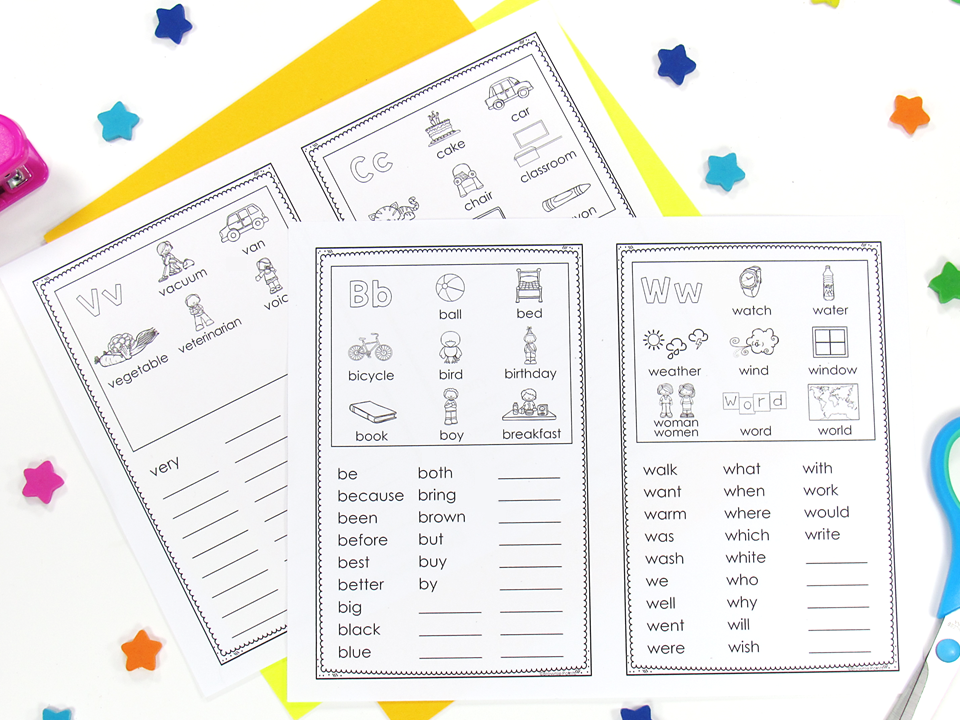
A personal picture dictionary is exactly what it sounds like - an individual dictionary designed for young lea9898rners. Unlike a traditional dictionary, it contains age-appropriate vocabulary, sight words, and simple illustrations that help students connect words with their meanings.
Most personal picture dictionaries are organized alphabetically, making it easy for students to locate words while they write. Because each student has their own copy, they don't need to leave their seat or wait for the teacher to find a word. Everything they need is right at their fingertips.
My school district used to sell personal word books that teachers could purchase with their classroom start-up budget, and they quickly became a staple in my classroom. As prices for classroom supplies increased and budgets got tighter, though, I just couldn't justify buying a copy for every student. Instead, I started purchasing a few that students had to share, which really defeated the purpose of having a personal writing tool.
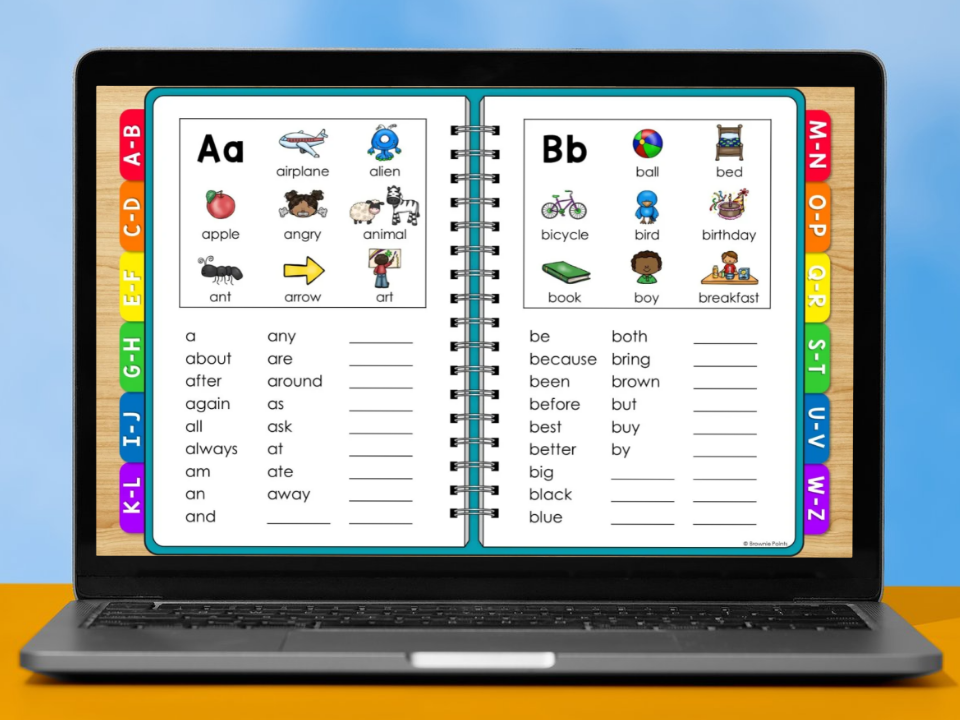
That's when I decided to create my own version. I added picture supports to make it even more accessible for young writers. Then, when we shifted to online learning during COVID, I quickly created a digital version so every student could have their own copy in my virtual classroom.
Why Writing Independence Matters
One of my biggest goals is helping my students see themselves as capable writers. When they stop every few minutes to ask how to spell a word, they often lose their train of thought. Before they know it, they've forgotten the details they were trying to include.
Having a personal picture dictionary encourages students to try solving the problem themselves first. Instead of relying on me for every answer, they begin stretching out unknown words, taking risks with spelling, improving their spelling, and building confidence through practice.
Some years I debated whether I need both a classroom word wall and a personal picture dictionary. I always kept both. They actually work well together. The word wall can include words relevant to the entire class and is great for modelling. I like thinking of the word wall as our classroom reference and the personal picture dictionary as each student's portable writing helper.
Benefits of Using a Personal Picture Dictionary
Students interrupt writing less often.
One of the biggest classroom benefits is fewer interruptions. Rather than hearing "How do you spell...?" throughout writing time, students have a resource they can check independently.
Students become more confident writers.
Children feel successful when they can solve problems on their own. Every word they find independently builds confidence for the next writing task.
It supports beginning readers.
Pictures provide another clue when students are searching for words. Even if they can't read every word fluently yet, the illustrations help them locate the vocabulary they need.
Vocabulary naturally grows.
A personal dictionary doesn't have to stay the same all year. As students learn new words through science, social studies, seasonal activities, and read-alouds, those words can be added to make the dictionary even more useful.
Students spend more time writing.
The less time students spend waiting for help, the more time they spend getting their ideas onto paper, which is exactly what we want!
Tips for Teaching Students to Use Their Dictionary
Like any classroom tool, students need opportunities to learn how to use it effectively. Here are a few strategies that have worked well in my classroom:
Model using the dictionary during shared writing.
Think aloud while looking for a word.
Celebrate students who solve spelling problems independently.
Encourage students to check the dictionary when they ask for help.
Add new vocabulary together throughout the year.
Keep dictionaries in desks, writing folders, or table caddies so they're always easy to access.
The more consistently students use the dictionary, the more naturally it becomes part of their writing routine.
Helping Students Become Independent Writers
If you're looking for a ready-to-use resource, take a look at this Personal Picture Dictionary with primary students in mind. It includes picture-supported vocabulary, sight words, and space for students to personalize their dictionaries as they learn new words throughout the year. My goal was to create a resource that students would reach for regularly to help them become more independent writers. It is available in my TPT Store and BP Shop.
I hope this post has given you a few ideas for encouraging independence in your own classroom. I'd love to hear how you help young writers become more confident. Share your favourite strategies in the comments below!