4 Activities to Make Materials, Objects, and Structures Fun for Elementary Students


This is my third year teaching the first grade and I love the curriculum!  However, there are two units that I was very apprehensive about during my first year - Energy and Materials, Objects, and Structures.  Part of my apprehension was the fact that at least 80% of our students are English language learners (ELLs).  Some units they can relate to, like healthy food, rules, responsibilities, and relationships, and community helpers.  They get a lot of exposure to the vocabulary from television if not from discussion at home or in Kindergarten.  These two units, not as much.

Mr. Collins website with science resources for the Ontario science curriculum was a great help in addition to resources from colleagues.  What was missing for me was visuals.  Concrete materials were also essential.  Children are familiar with describing the properties of objects, those descriptions are often just limited to colour or size.  This unit is great in expanding their vocabulary and view of everyday objects. 

All About Materials

To begin our discussion of materials, we let them know where materials come from (e.g., glass comes from sand, metal comes from rocks and minerals, paper from wood, etc.)  They are always amazed by this!  I would recommend finding books and videos that demonstrate the manufacturing process.

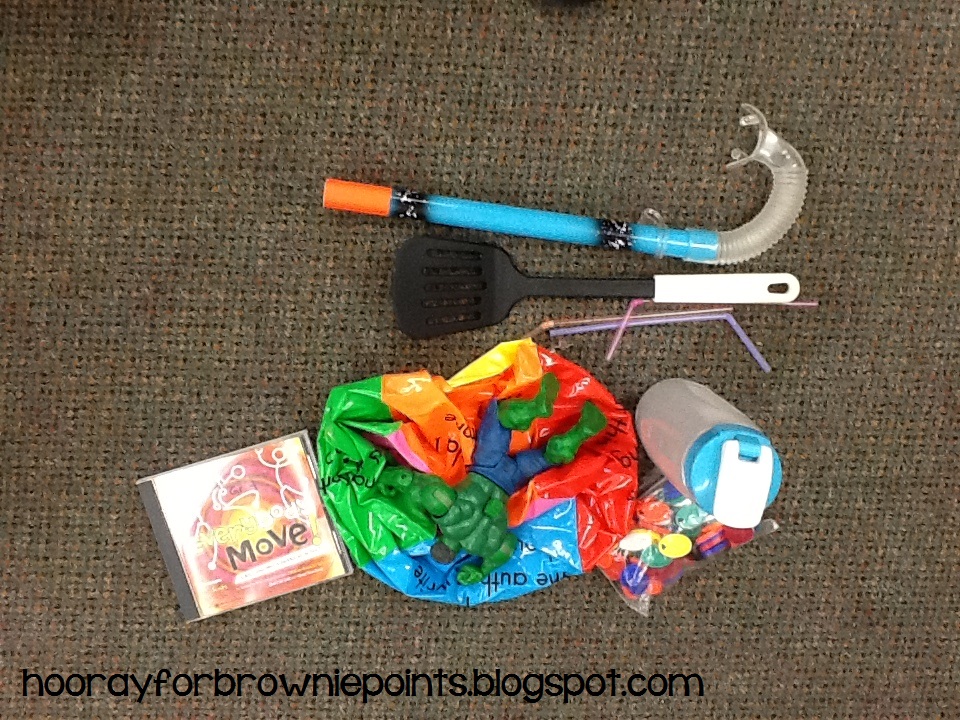
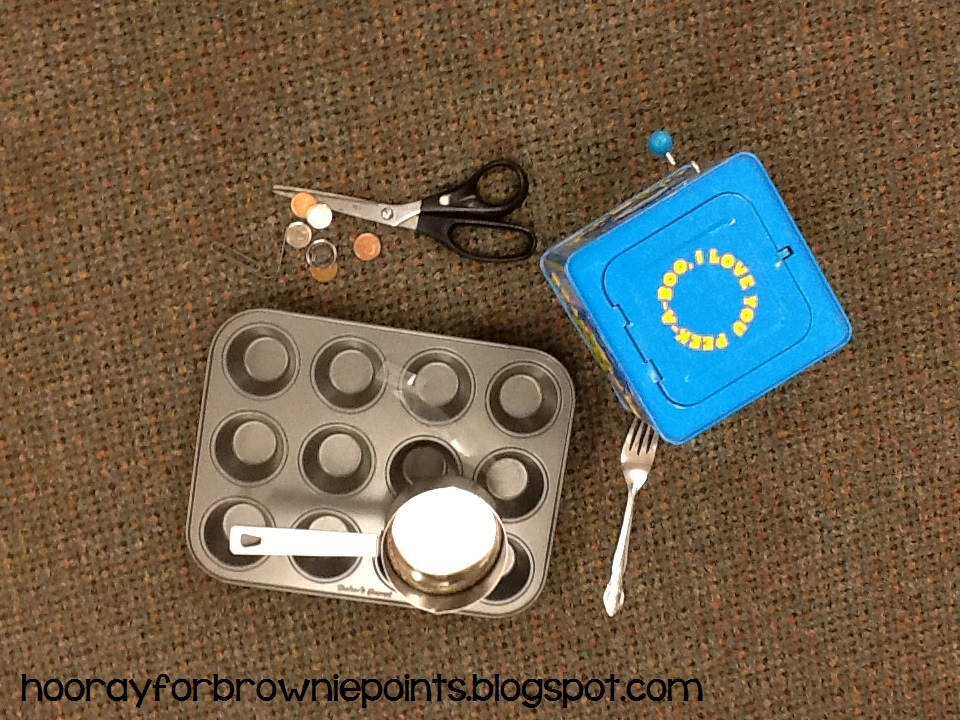
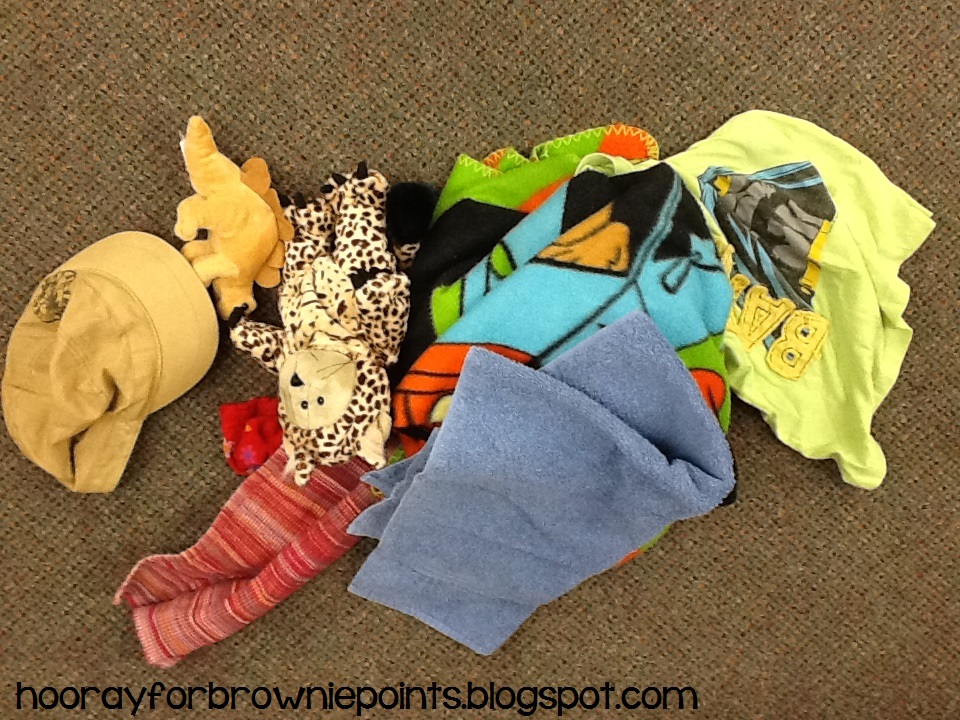
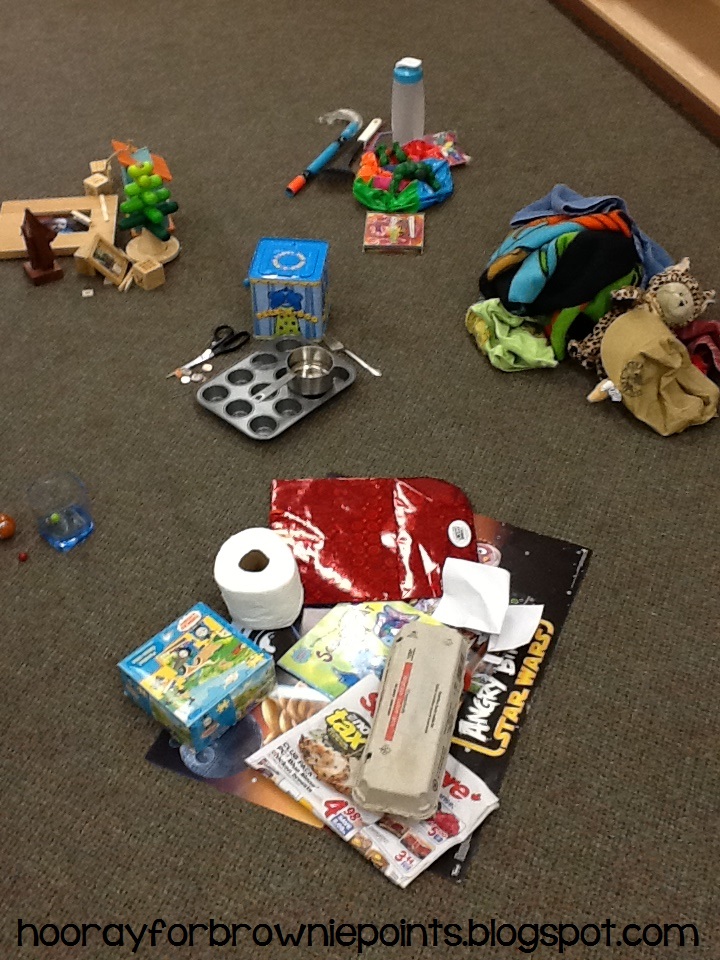
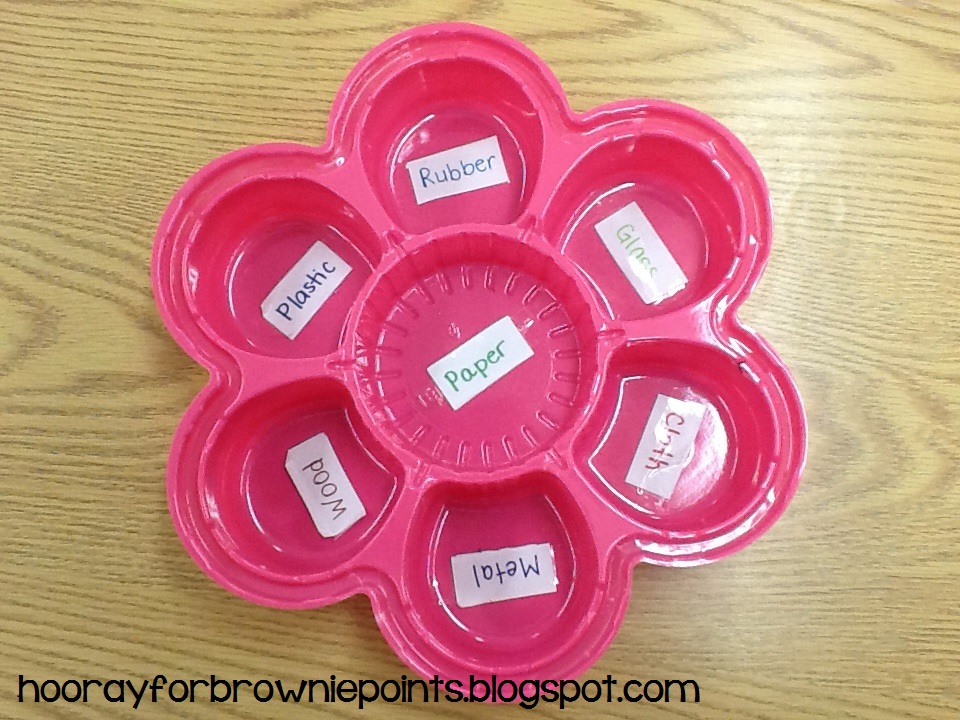
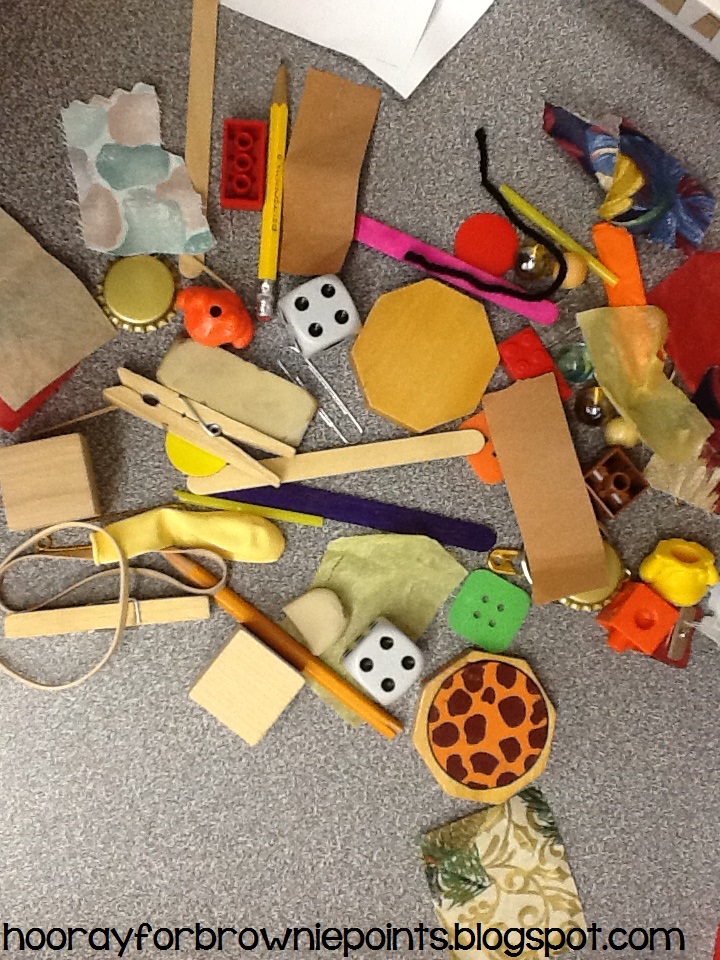
A colleague scoured her house for materials that her students could sort.  We used the objects and my kids loved the activity.  We also found objects that could be sorted in a sorting tray.


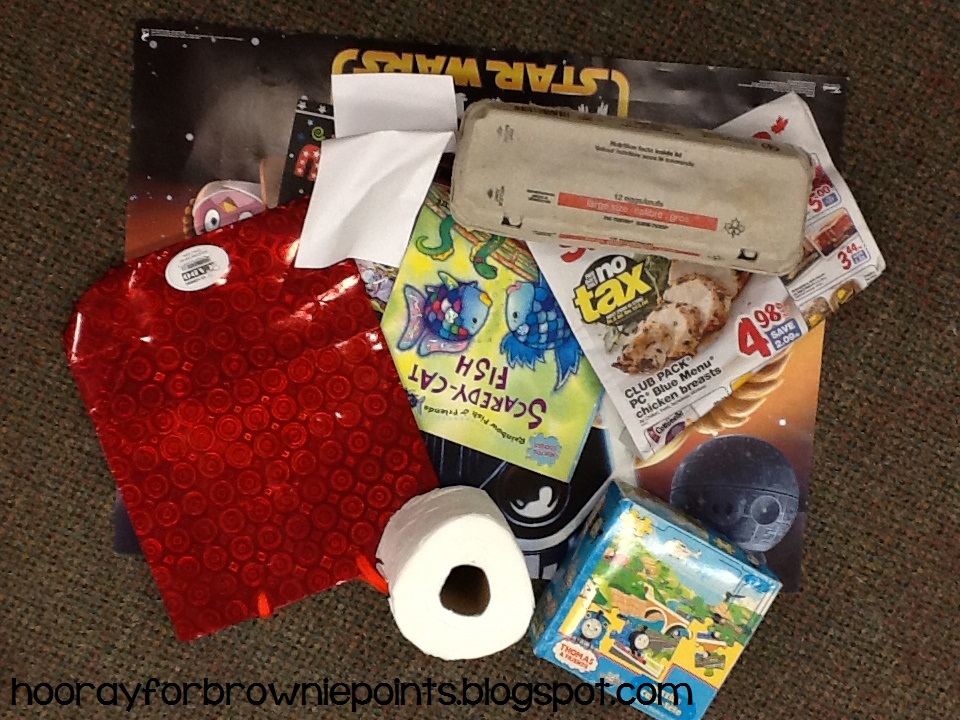
Large Objects - Sort by Material
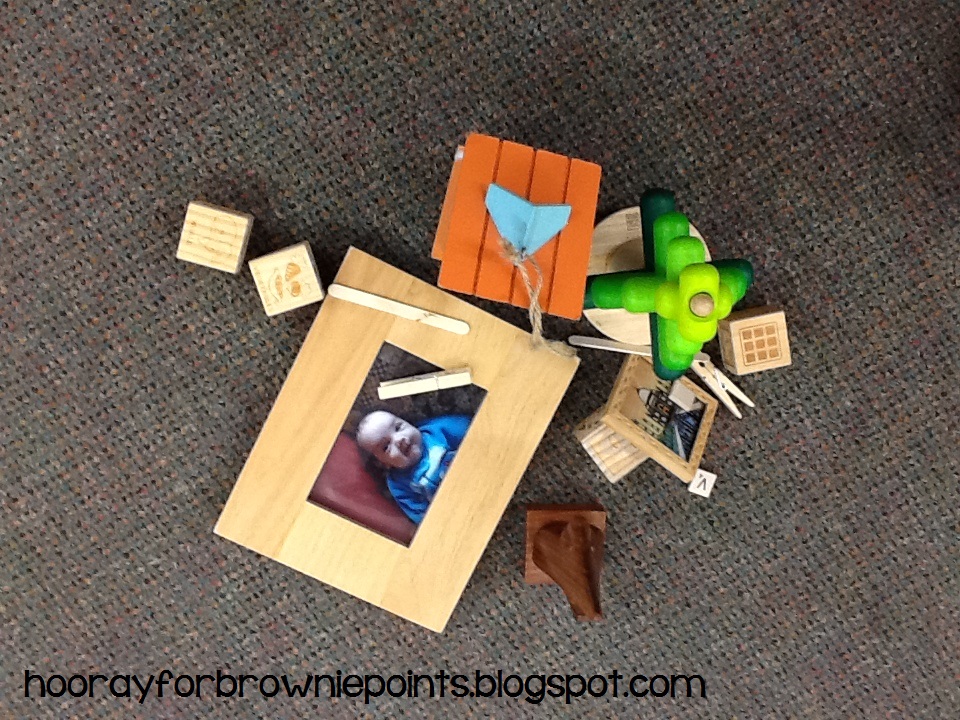


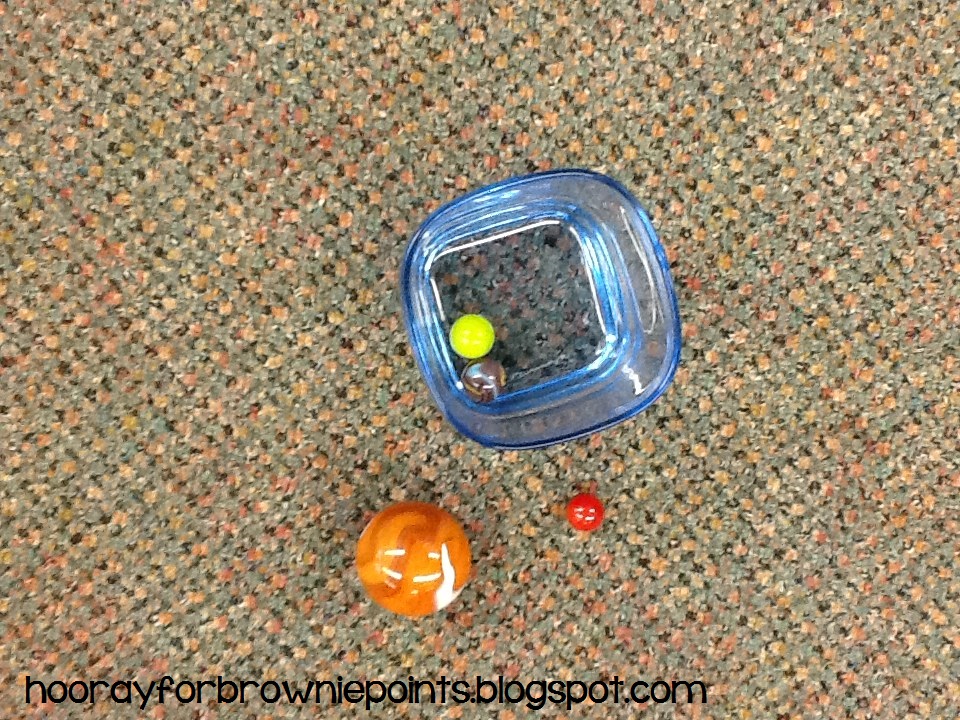
Small Objects - Sort by Material
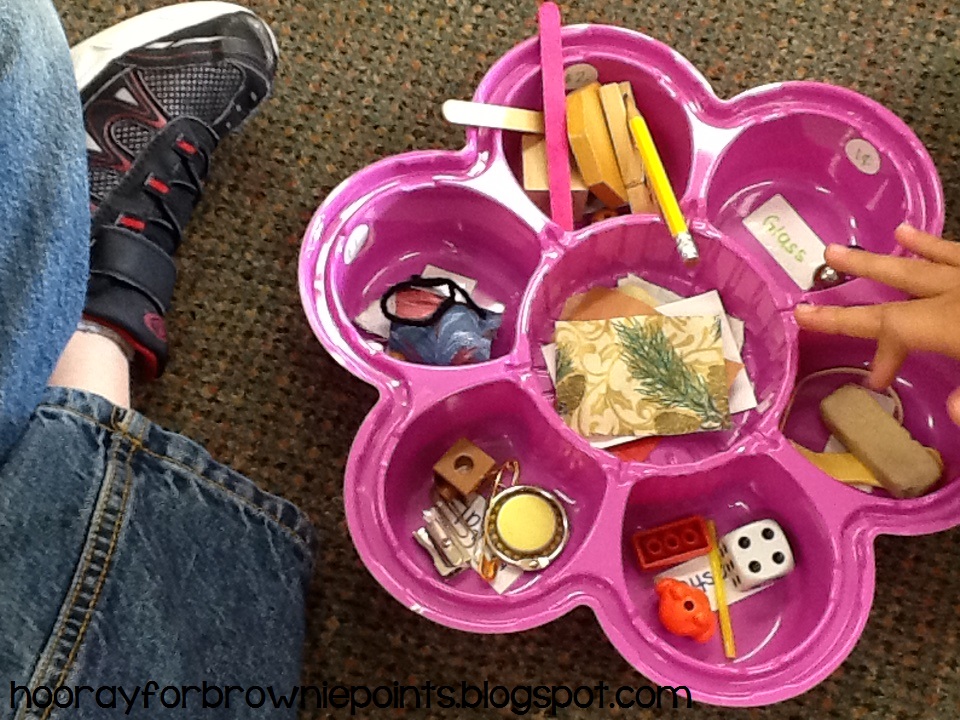


A simple sewing kit contains a great variety of fasteners!

 
IMG_1796.JPG
 

A few years ago, I got another idea from a friend about the suitability of materials in making objects.  We gave the kids some "What if?" scenarios which they thought were funny and really got them thinking.

materials scenario.jpg
 

All About Structures

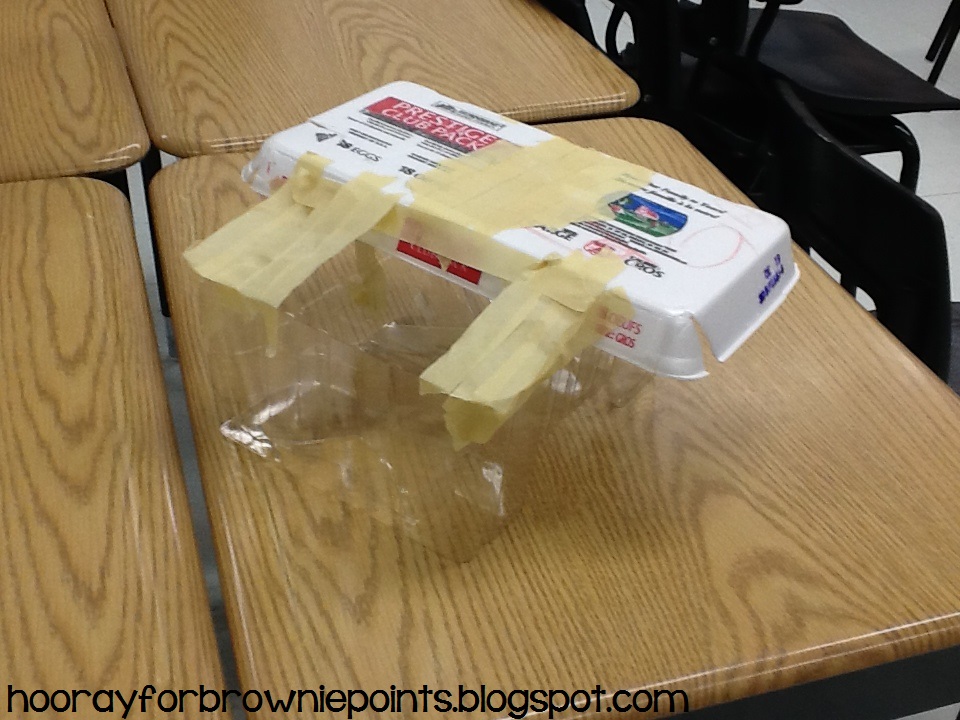
For a group project, we asked kids to act as the third little pig and build a house that the big bad wolf couldn't blow down.  We used two desk fans to act as the wolf.  Some houses stood fast while others blew off the table.  Little did we know that the fallen houses would lead to tears!!  Oops!

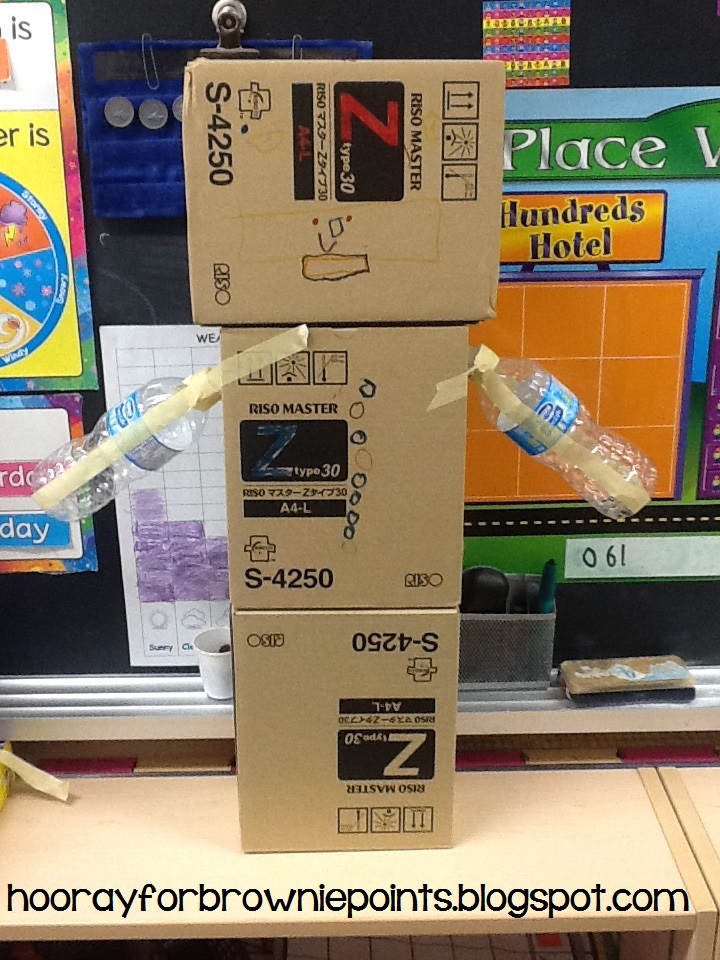
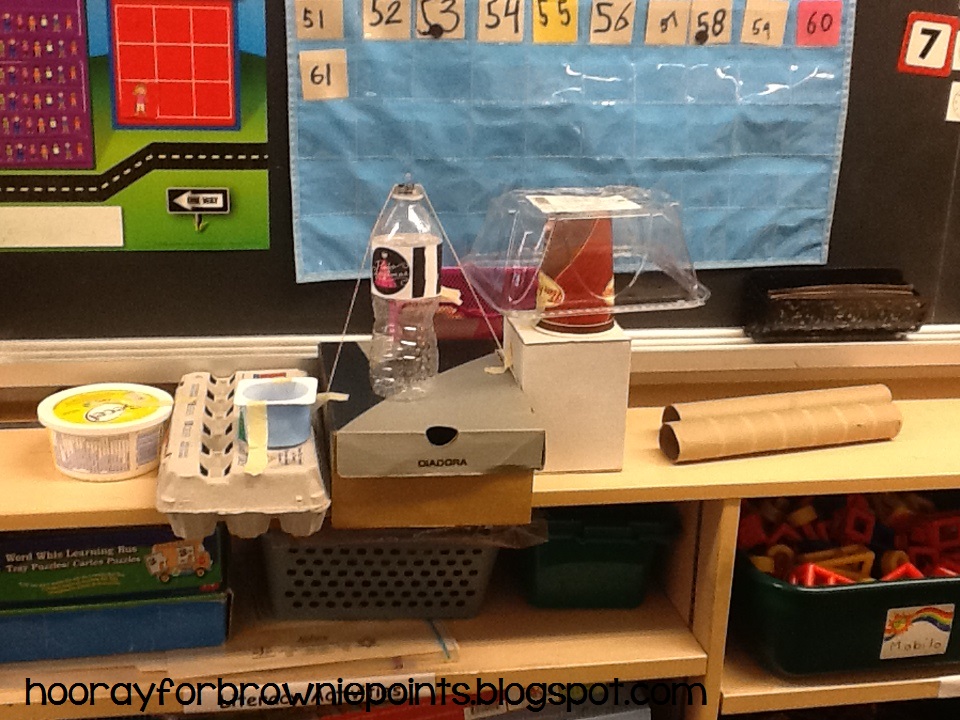
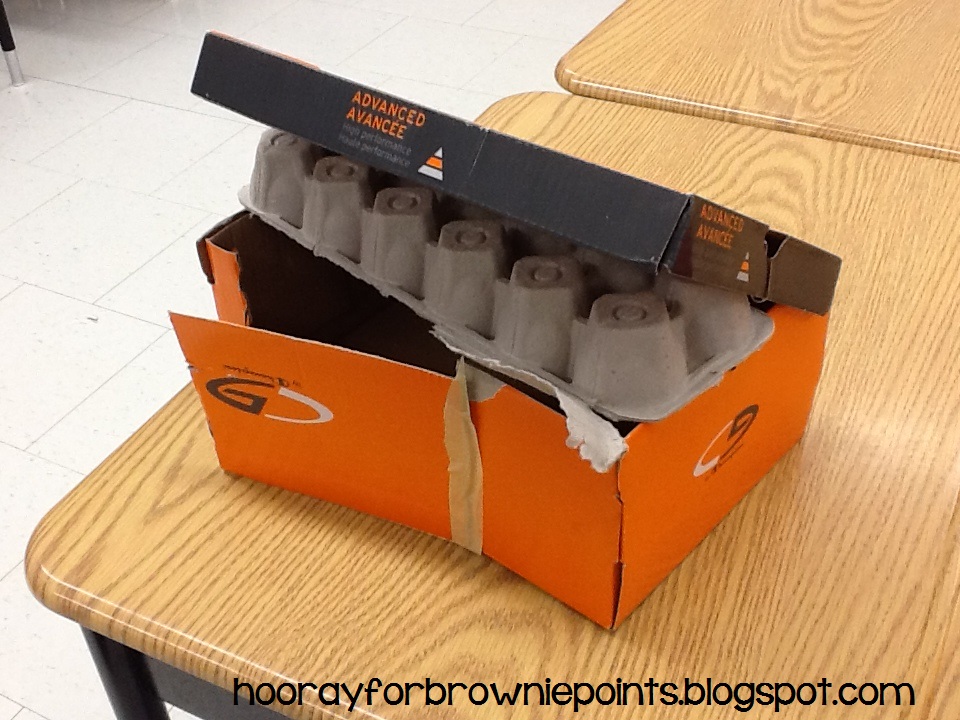
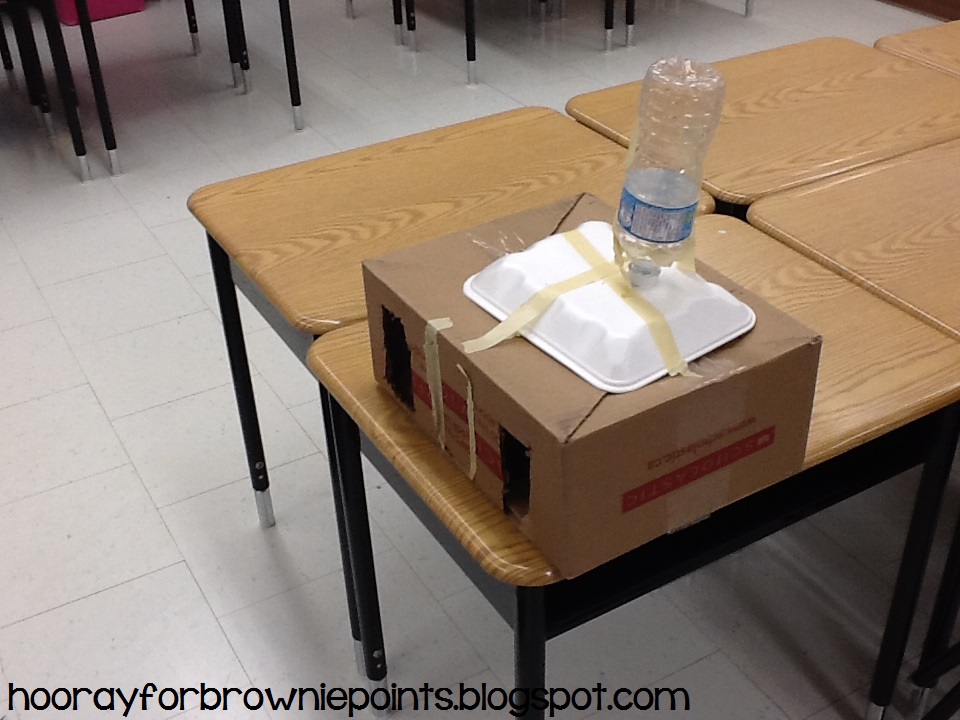
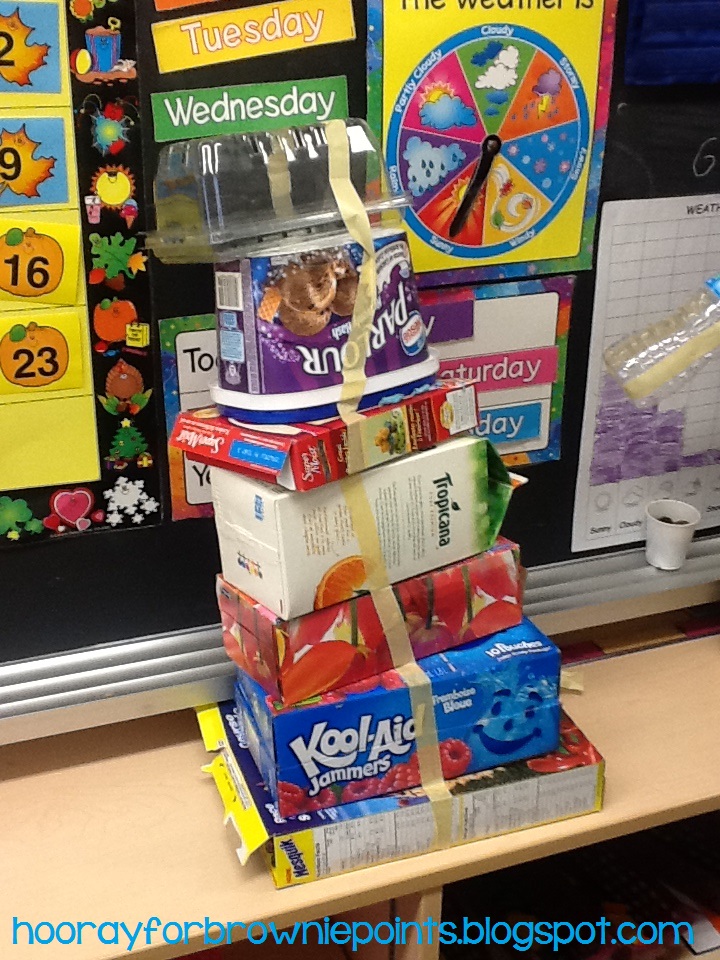
To support our unit, we asked the kids to bring in "junk" or recyclable material from home.  You can get a copy of that letter {here}.  (Border by Graphics from the Pond and fonts by Khrys Bosland.)  The kids had a lot of fun building structures using those materials.


Building Structures


I created a resource to support this unit which is available in my TPT Store store and BN Shop.


What fun activities do you do to support this unit?

4 Fun and Easy Ways to Teach Elementary Students About Healthy Eating

This post is quite late as we look at healthy eating earlier in the school year.  It's one of my favourite units to teach because I am able to effect change when it comes to eating habits for my students AND their families.

 
Healthy Eating.JPG
 

I must say, I LOVE chocolate!  It's my weakness...now I want some!  Anyway, just this week I had a student tell me that they don't like chocolate.  I was stunned and asked why.  He responded, "I don't like chocolate because it's not healthy.  I like healthy food like apples."  Preventing childhood obesity, one kid at a time!!

During a parent-teacher interview, a parent asked me how to make popcorn on the stove because she made microwave popcorn and her son refused to eat it because, "Ms. Brown says popcorn at the movie theatres and microwave popcorn isn't a healthy choice, it's healthier if you make it yourself ."  Priceless!!  The best part about that is the student is really shy and quiet and is new to Canada and doesn't have an extensive vocabulary, but he's taking it all in!  In case you're interested, here is a recipe for the stovetop and one for the microwave.  I've also made it in a brown paper bag in the microwave.


Book

Just Try One Bite
Author: Adam Mansbach and Camila Alves McConaughey
Illustrator: Mike Boldt

A healthy reading story with a twist! This time it’s the children trying to persuade their parents to eat healthy foods. It’s written in rhyme, however the rhyming scheme is a little off. The illustrations however are fantastic!


Video

Catchy songs make learning fun and memorable for elementary students. The rhythm and repetition help reinforce content, making it easier for kids to remember important information. Listen to the Nutrition Song by the Learning Station below or Jack Hartmann's Good Foods video.


Digital Activities

This Healthy or Not activity is a simple and engaging way to review healthy and less healthy foods. After viewing the food item, have students decide whether it's a healthy choice or something that should be limited in our diets. The correct answer will be revealed on the slide.

These Name That Food Group PowerPoint activities are a way to review learning about the groups of foods recommended by Canada’s Food Guide and USDA's My Plate program.

They are in my TPT Store and BP Shop.


Healthy and Unhealthy Sort

I'd like to share a healthy/unhealthy sorting mat that I have my students complete.  I request grocery store flyers from families or just save up a bunch over the weeks.  The kids cut and paste foods into the two categories.  The brand recognition is amazing!  They clearly come across a lot of environmental print.  You can get a copy of the sorting mat {here} for free.  I used fonts from Kimberly Geswein.

healthy eating 1.jpg

You can get a copy of the sorting mat {here} for free.  I used fonts from Kimberly Geswein.

The sorting mat is part of a healthy eating resource that I have posted in my TPT store and BP Shop.  Click on the images to check them out!


Christmas Fractions Fun: Crafting Holiday Cheer in Math Class

Ahhh...Christmas time!  I know that I'm not the only teacher who sometimes struggles with fitting in all of the curriculum as well as allowing for some "fun" throughout the year, especially around certain holidays and celebrations. 

Years ago, I was teaching my first-grade students about structures in science class and I didn't have the money (nor the patience!) to build gingerbread houses.  I should mention that we did have a classroom budget, but I didn't want to spend a huge chunk on one day's activities.

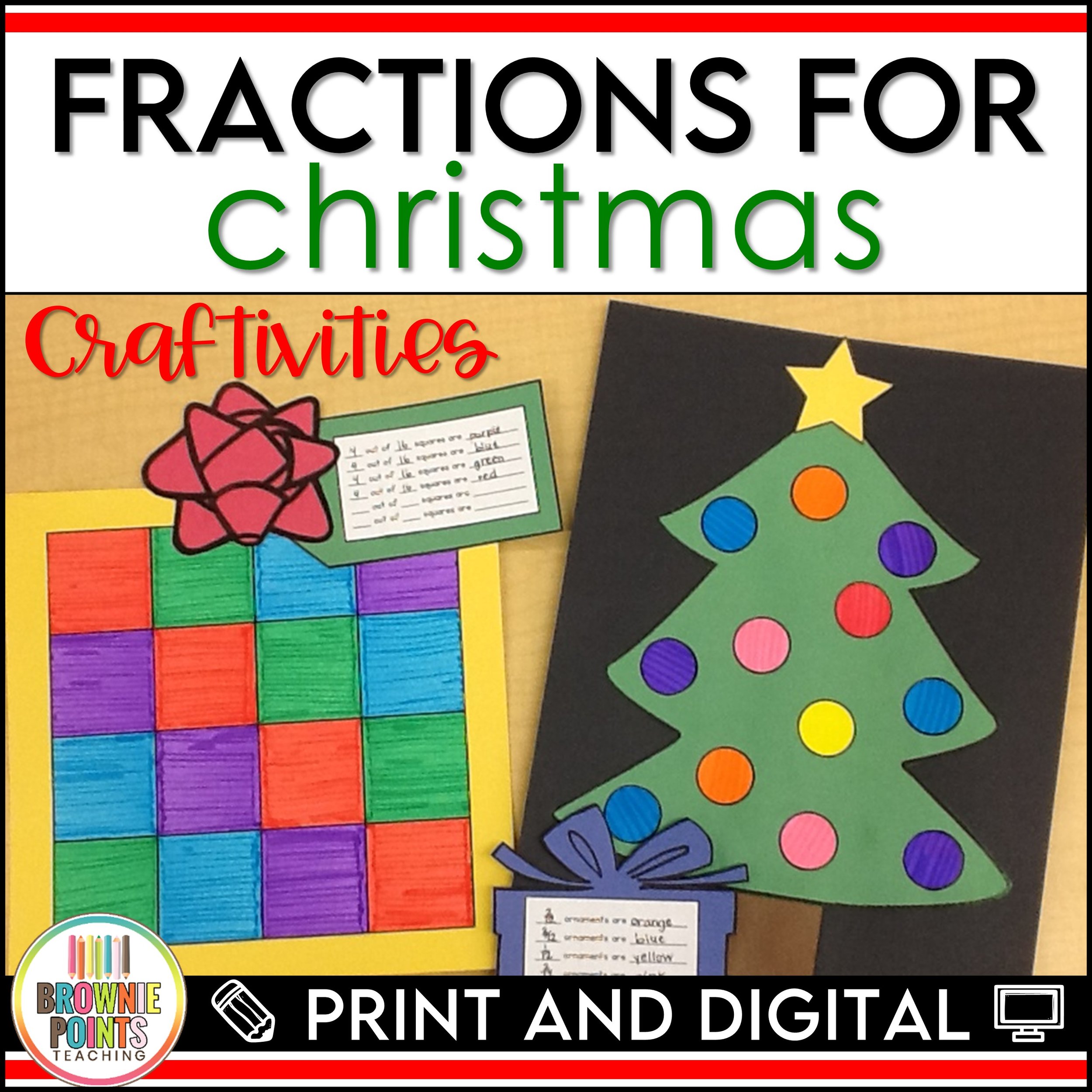
In math, we were learning about fractions so I headed to my go-to resource sites - TPT and Pinterest - to look for a craftivity for fractions and Christmas.  I didn't find any that would work for my kids so (gasp!) I made one myself! 

 
Fraction Craftivities.JPG
 

I am really happy with how it turned out and had a hard time deciding which craftivity to do with my class!  I went with the Christmas tree.  All of the cutting and gluing took awhile, but at least they were practicing math facts and making a cute Christmas craft at the same time!

Check out my samples.

fractions for christmas 2.jpg
fractions for christmas 3.jpg

I put both the Christmas Tree and Christmas Gift together as one resource available for purchase in my TPT Store and BP Shop.  If you already have your Christmas projects planned, you may want to consider it for next year!  If you do try it out, I would love feedback - let me know how it went!  Good or bad :)


Here's to making it to Christmas Break! 


Color Mixing Magic: Fun Activities to Teach Primary and Secondary Colors

Colours - a quick, fun unit!

 
Color Mixing.JPG
 

We discuss primary and secondary colours, colour mixing, and touch on tints and shades and warm and cool colours.

As I mentioned before, How to Teach Art to Children is a great resource for this unit.


I start by discussing the primary colours - red, yellow, and blue - and try to drill that in, plus the fact that they are the main, hence, primary colours.

Then I demonstrate colour mixing using food colouring and water with a document camera.  

I love how during my demonstrations they find it magical when two primary colours are mixed to create a secondary!  While I'm mixing, they colour in their colour wheels.

Over the years I've tried different activities which allowed the kids to mix colours themselves - tempera paint, shaving cream and food colouring, and play dough.  I must say, play dough is the quickest and easiest - little prep and no clean-up!

 
values.jpg
 

Since it's early in the year, I demonstrated adding black/white to a colour using tempera paint.  A few years back I had the kids do it, but it didn't turn out too well.  They had a hard time keeping the brushes clean.  Suggestions are more than welcome!

For a centre activity, I put out a colouring mixing math activity where they had to solve the missing "sums" and "addends".  They used colour paddles and colour wheel/colour mixing anchor charts to help when they got stuck.

I created a Color Mixing Fun pack which includes posters for primary, secondary, warm, and cool colors, and tints and shades, color wheels, and 16 color mixing activity mats.  You can check it out at my TPT store and BP Shop.


Fall Fun: Teaching Kids About Changing Seasons with an Apple Tree Craft

I found this fabulous craft idea on Pinterest from Lakeshore Learning that I just had to try.  It seemed simple enough for our ability level so early in the school year.

 
Apple Tree.JPG
 

My wonderfully crafty co-worker adapted it to her tastes and I liked her version so I went with that. 

We used a tree trunk template that was photocopied onto brown construction paper.  You can grab it {here}.

You will need:

  • brown pipe cleaners or yarn

  • brown, orange, yellow, red, pink, and green tissue paper

  • cotton balls

  • foam pumpkins or jack-o-lanterns

  • tree trunks

  • liquid glue

  • ledger sized paper (11x17)

  • 12x18 construction paper for mounting

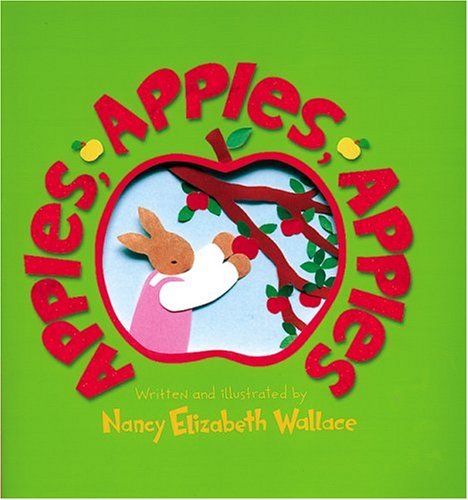
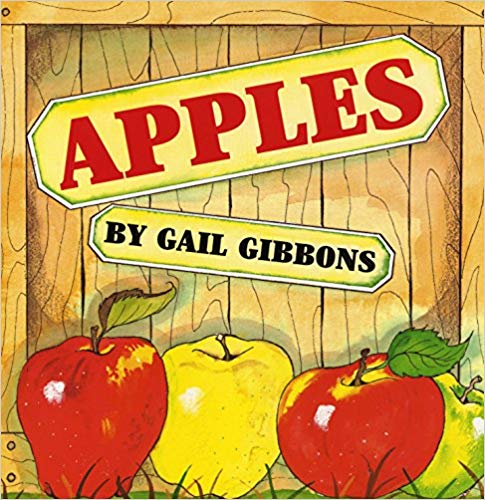
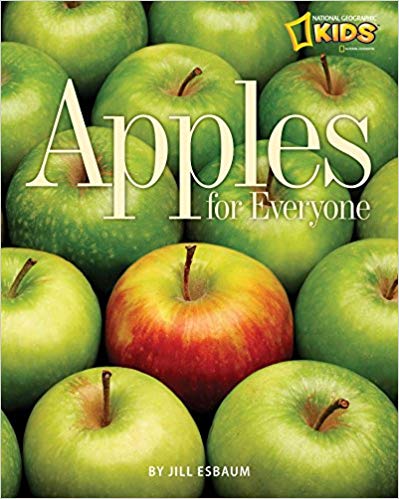
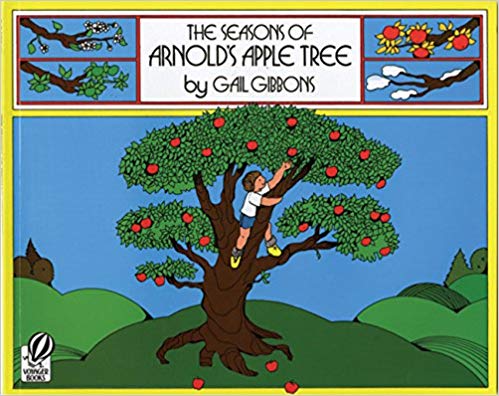
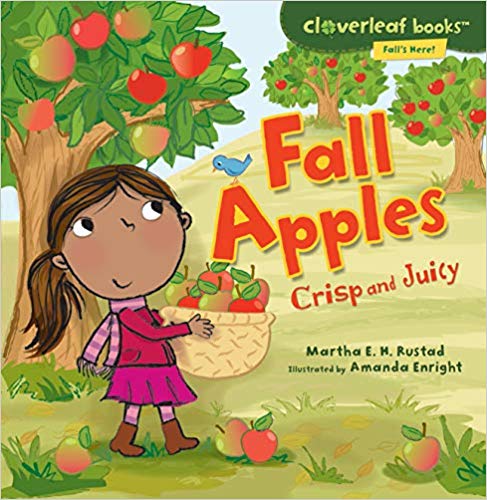
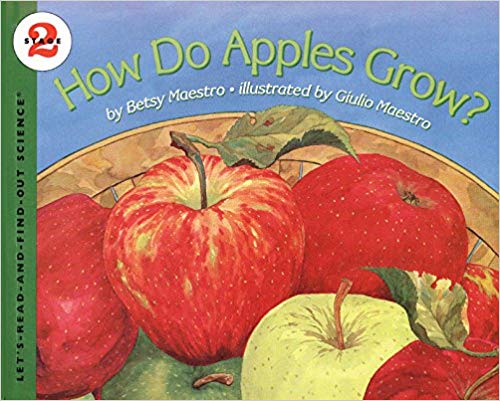
Books about Apples and Apple Trees

My Sample

 
apple tree 1.jpg
 

Hard at work

Some finished products

 
apple tree 2.jpg
apple tree 3.jpg
 

A Simple Activity to Explore the Element of Value in Art Class

As part of our Colour Unit during which we learned about primary and secondary colours, shades, and tints, we made Colour Quilts when we learned about value.

 
Color Value Quilt.jpg
 

I found this activity in the book, How to Teach Art to Children.


Using the 8 colours in their crayon box, I asked my little friends to use each colour to fill in 2 boxes - one with light pressure and the other with full intensity.

I encouraged them to colour in random boxes so that there is variation in colour and value.  As usual, some did a really good job and others didn't get the memo!

These 2 turned out pretty well.

 
color quilt.jpg
 

You can grab the template that I used {here}.  Enjoy!

8 Simple Ways for Kids to Represent Numbers

 
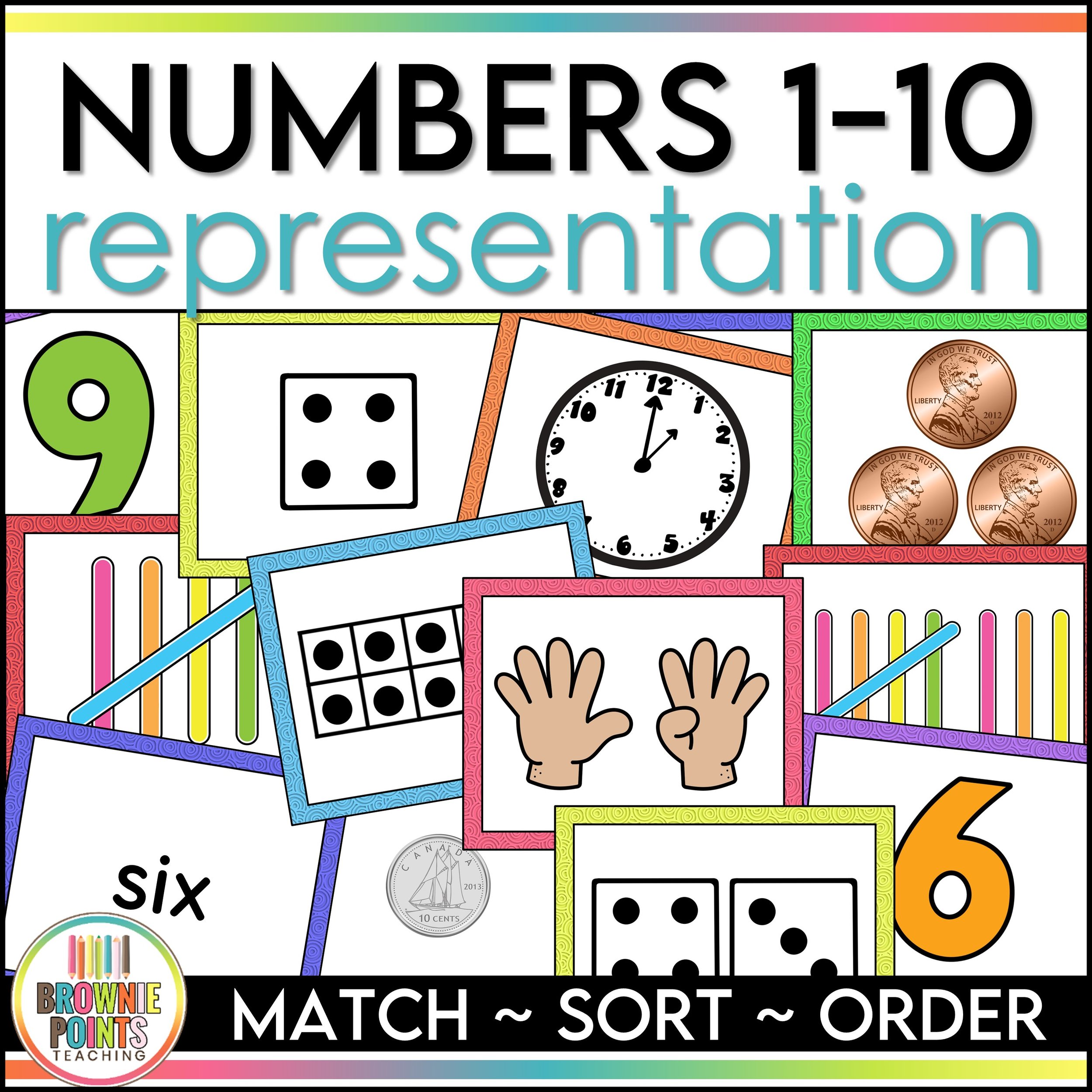
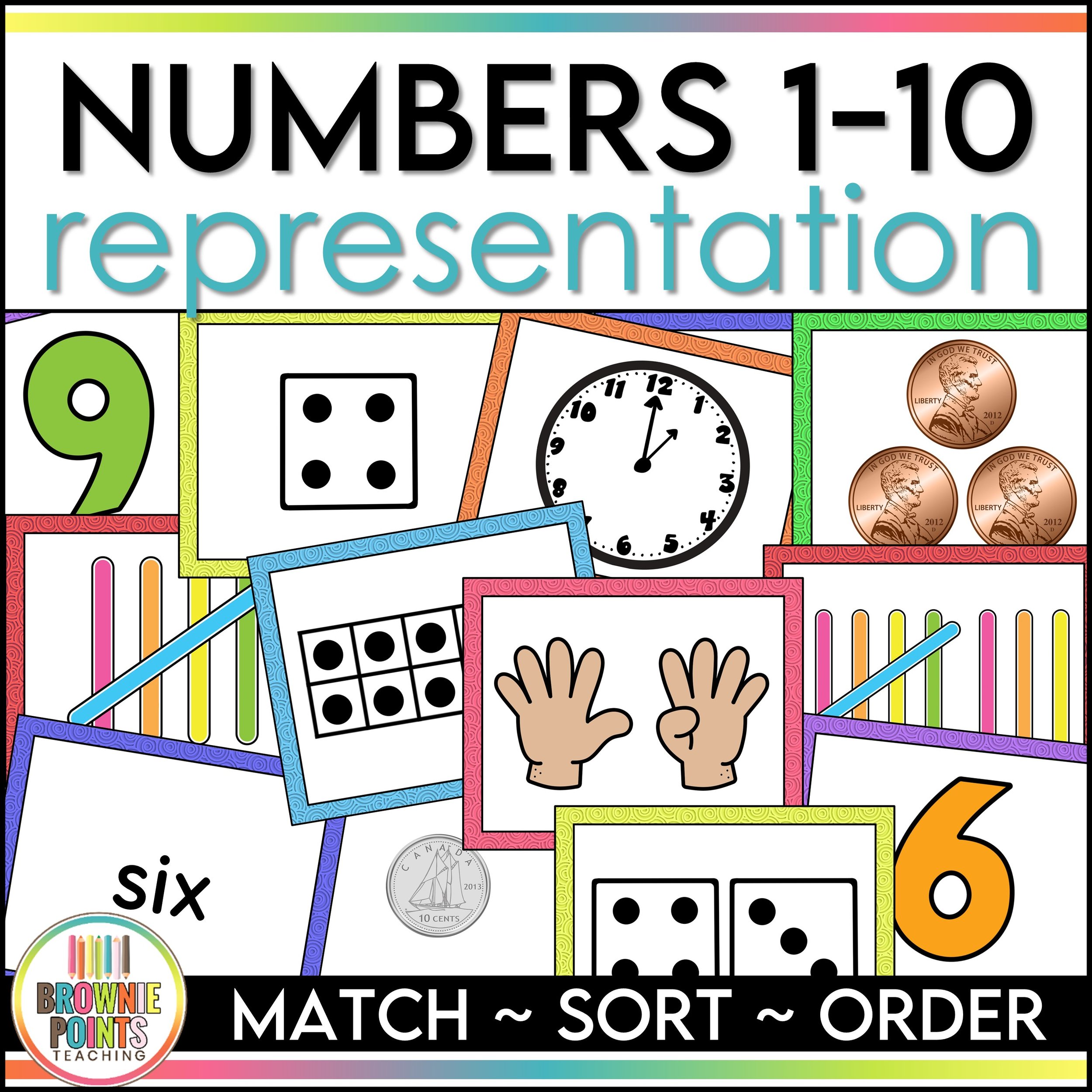
A collage of cards to show different ways to represent a number.


Children need opportunities to learn about numbers. Counting, identifying numbers, and understanding quantity are foundational concepts that students build upon. Check out this blog post to see how I introduce different representations.

Join the Numberock crew as they learn about different representations of numbers.


Number Representation Cards

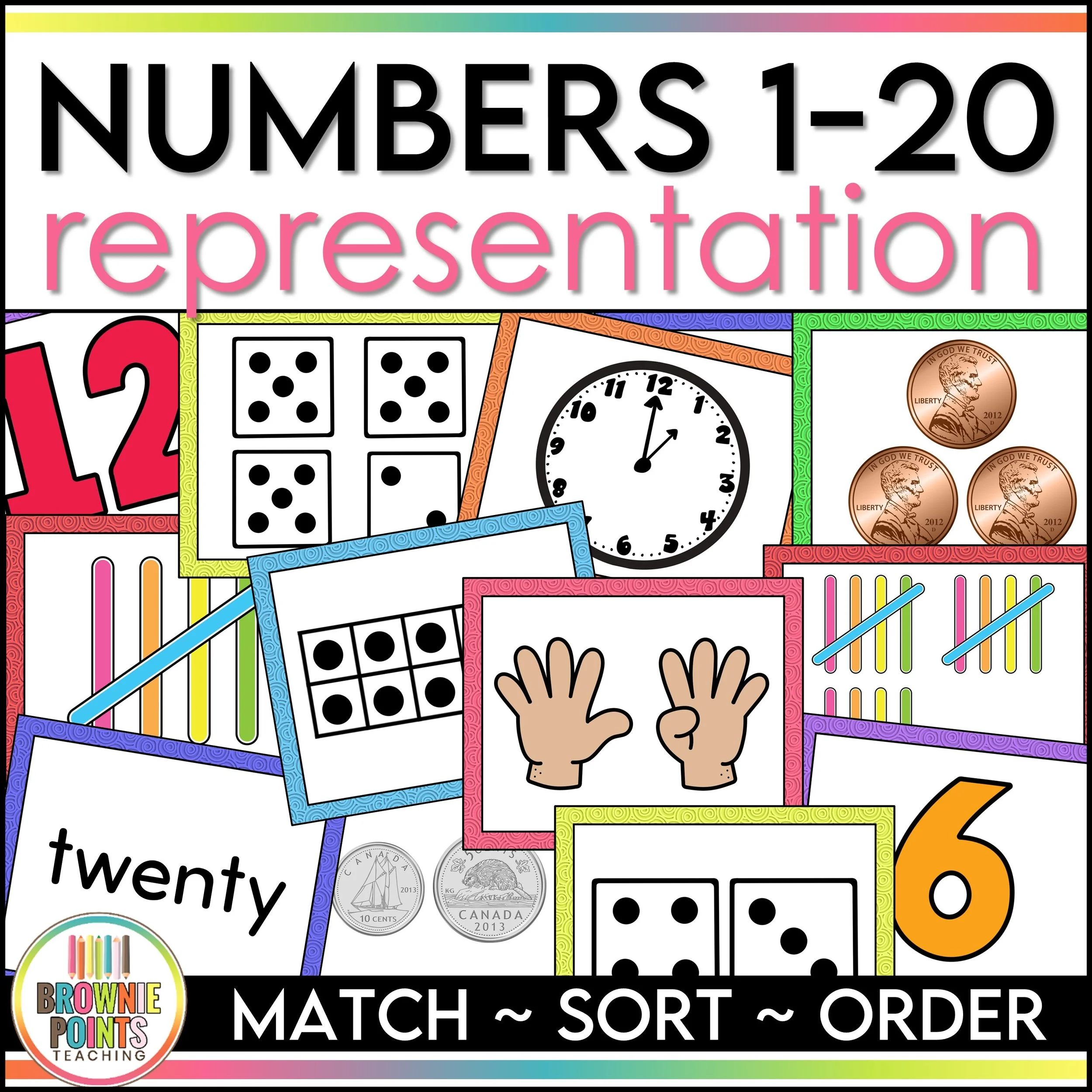
I have created a set of number cards that help to build or reinforce number sense and number representation!

This resource is perfect for Number of the Day and for practicing subitizing, counting, sorting, ordering, and comparing. You can use the cards for assessment, whole group, small groups, math centers, and card games.

Card Games

  • Match - Match 2 representation of a number

  • Memory or Concentration - Like Match, but the cards are turned over!

  • War - How to play

  • Snap - How to play

Ways to Sort

  • Sort by number

  • Odd versus Even

  • Number/Not the number (if you’re focusing on the number 4, sort the representations of 4 and numbers that are not 4)

We used these cards on the pocket chart together as a class and some students were already grasping the concept of telling time to the hour and adding coin amounts. 

 
number match cards pocket chart.jpg
 

8 Number Representations:

  1. Numeral

  2. Word

  3. Dots (Dice)

  4. Tally Marks

  5. Ten Frame

  6. Fingers

  7. Clock

  8. Coin Value

I’ve created 2 versions of this resource: Number Representation 1-10 (TPT Store or BP Shop) and Number Representation 1-20 (TPT Store or BP Shop)


How to Represent Numbers in Different Ways (and a Free Anchor Chart)


Knowing that numbers can be represented in different ways is key to building a strong foundation in number sense.  Beyond the ability of identifying a number, is the understanding of each number as a quantity. 

This catchy song by Jack Hartmann  shows different ways numbers can be represented.


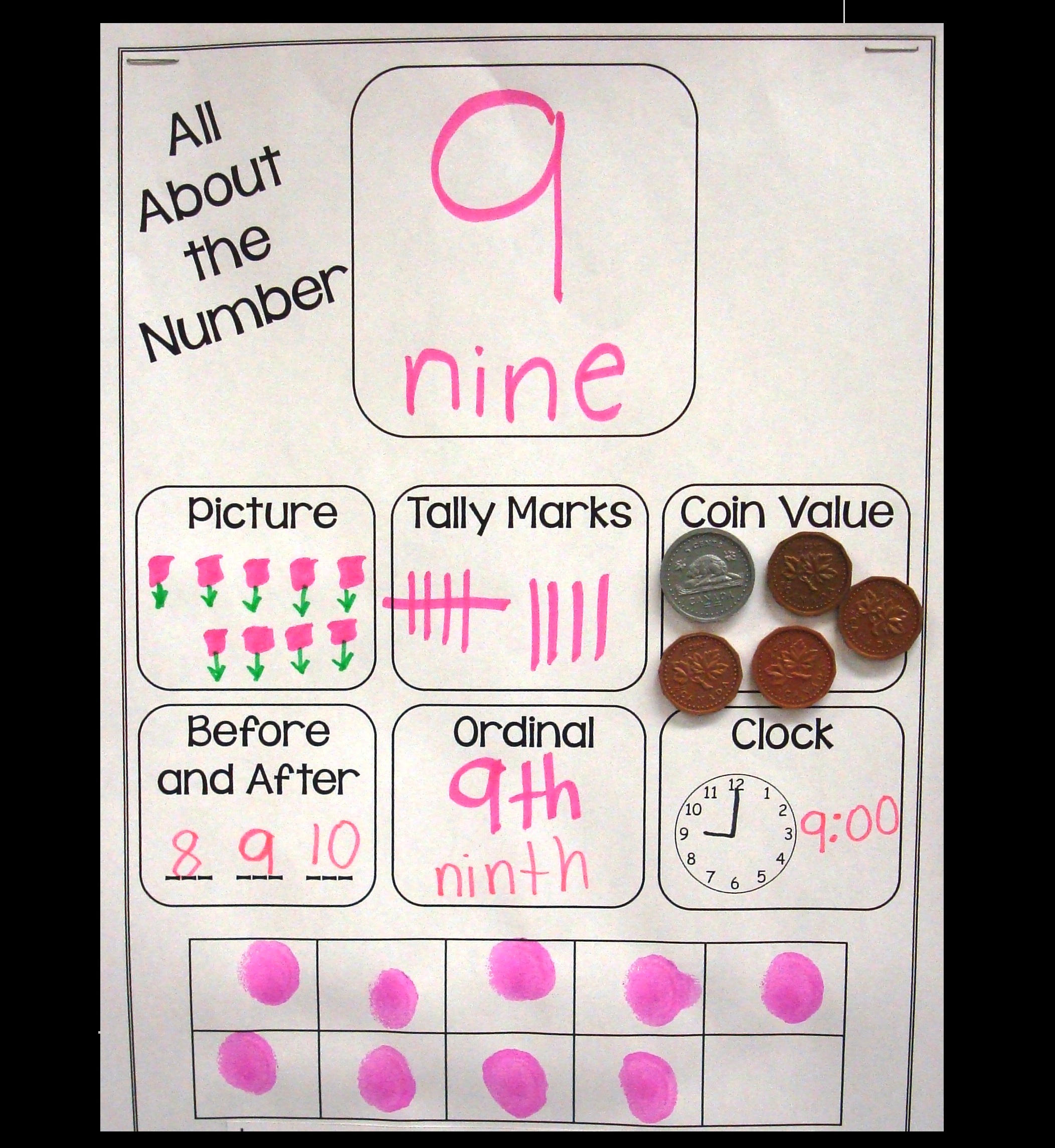
Model representing numbers in different ways

Demonstrate the following number representations:

  • Numeral

  • Word

  • Pictures

  • Tally Marks

  • Ordinal Number

  • Number Line

  • Ten Frame

Plus:

  • Coin Value

  • Clock

  • Before and After

9 chart.jpg

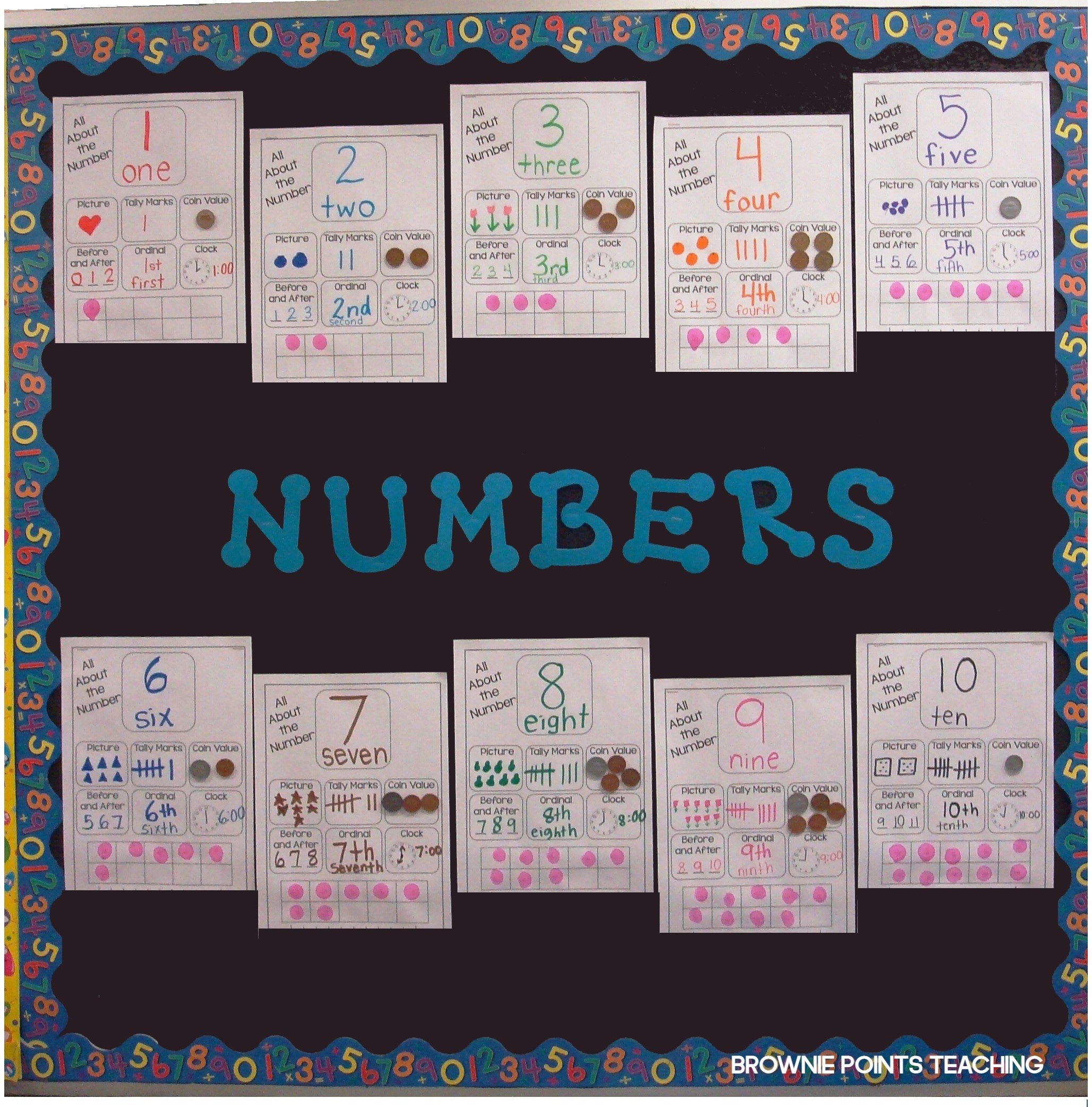
Most of my kiddies quickly grasped these concepts, especially by the time we got to number 10. 

 
A bulletin board with anchor charts showing ways to represent numbers.


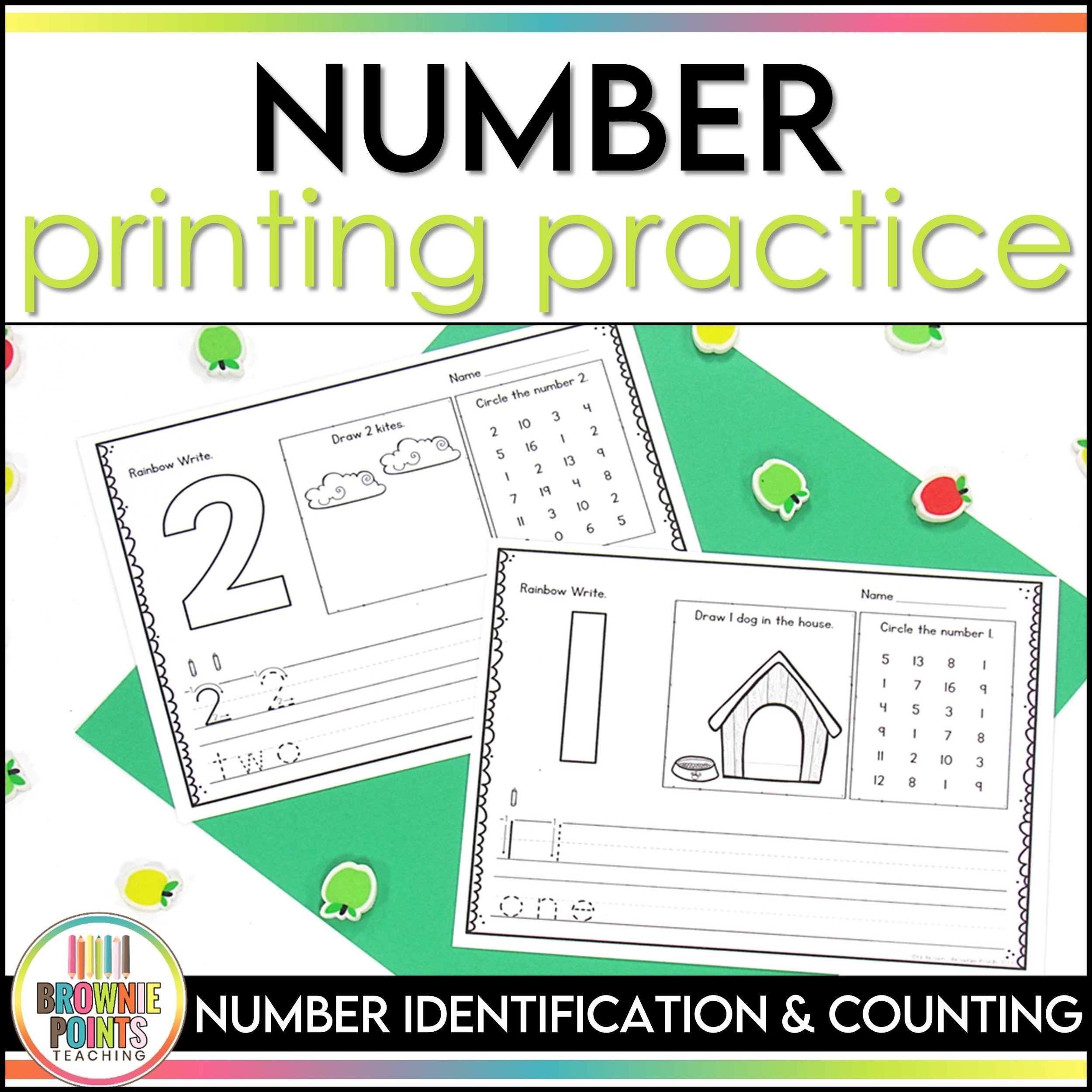
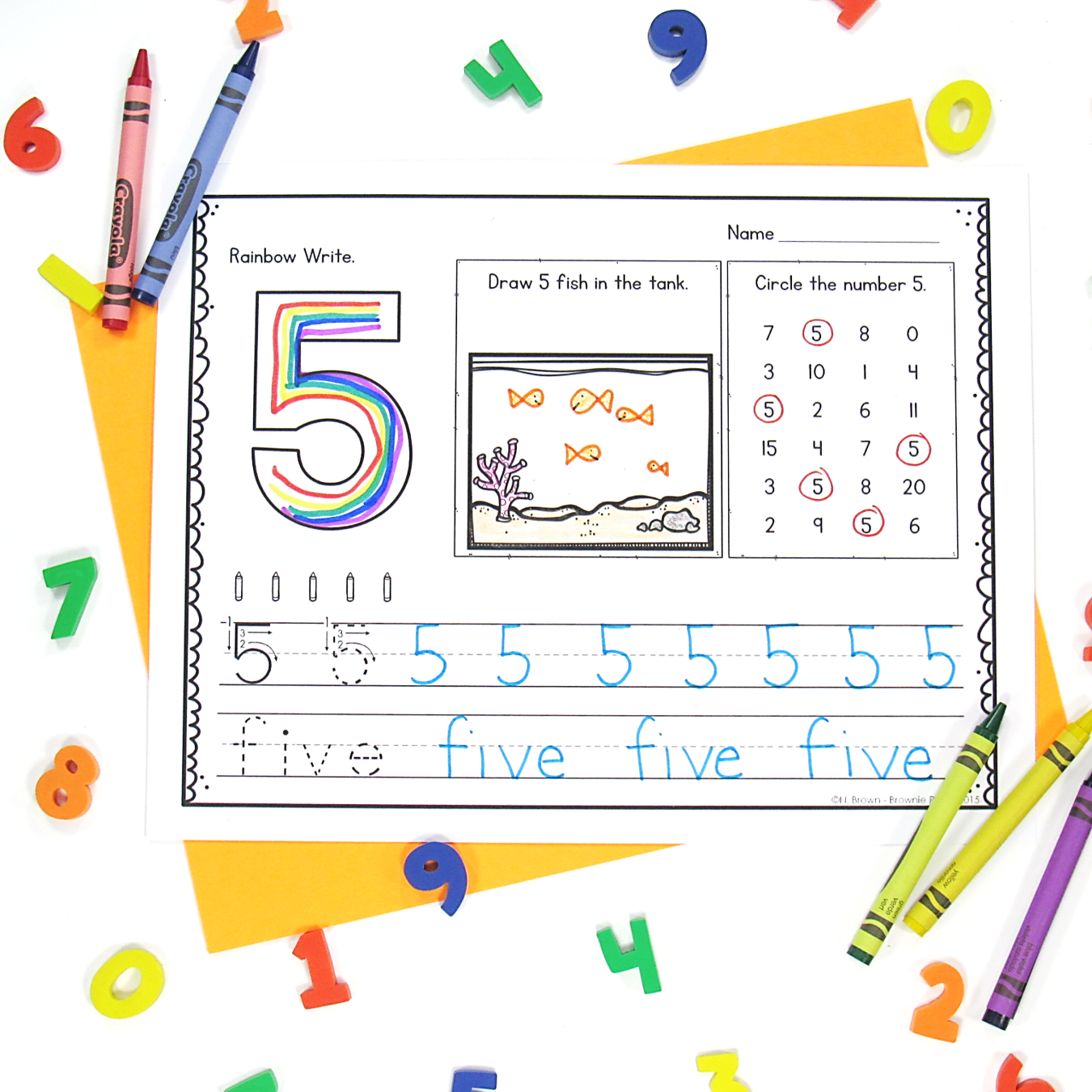
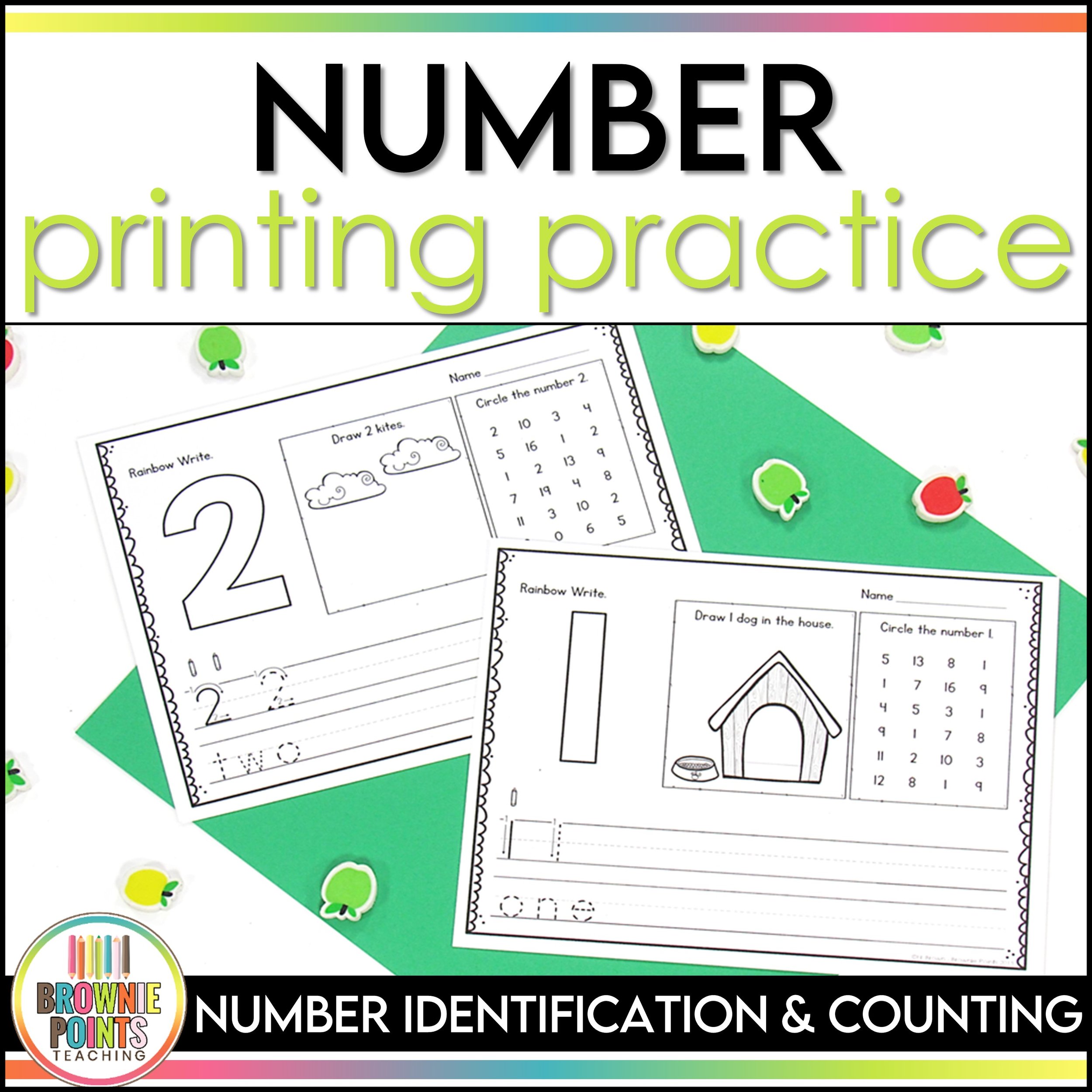
We completed the chart as a class and then went on to complete a page from my Number Printing Practice resource which can be found in my TPT store or BP Shop. I introduced my Number Representation and Subitizing Cards as a center activity (TPT Store or BP Shop). Here’s a blog post with more information about the cards.

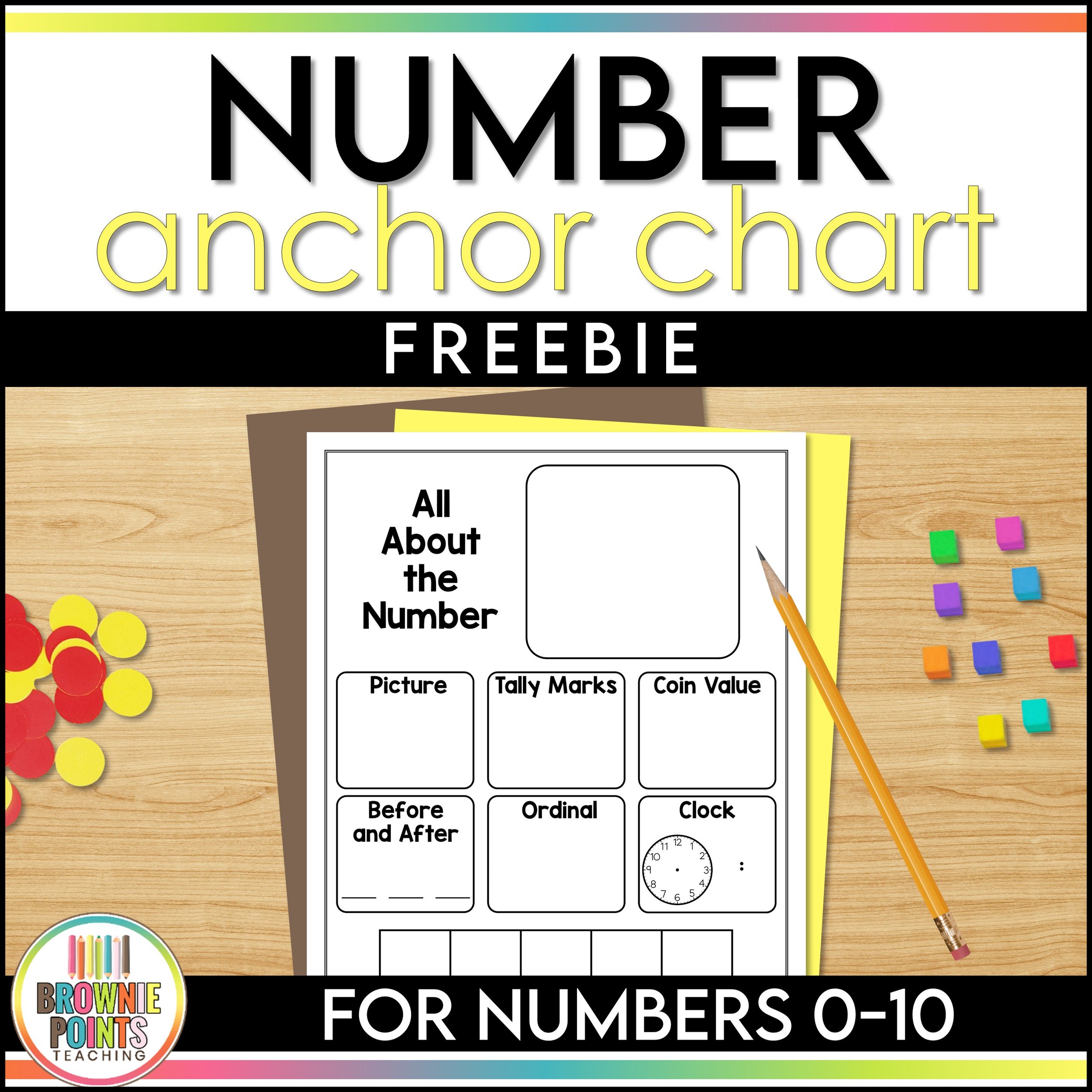
This anchor chart is a free product available on TPT!  You can get it by clicking on the picture below.


First Day Jitters

 
First Day Jitters.JPG


First Day Jitters by Julie Danneberg is my go-to first day of school book.  My kiddies don’t always seem to understand the surprise ending though! During the first week of school, I decided to try a craftivity - something that I usually put off for the first few months due to generally poor scissor skills and lack of familiarity with glue sticks.

I found this cute craftivity by Nancy of First Grade Wow and couldn't resist!  Check it out {here}.

After reading the story on the first day, we created a chart which shared our feelings about the first day.

Later in the week, I took the plunge!

I quickly demonstrated a sample for the class and then went on to assemble another one on the chalkboard as they assembled theirs at their desk. 

I tried my very best to keep calm throughout this 1.5 hour process.  Yes, 1.5 hours!!!

All in all, although it took a long time (for the slower ones), I think they turned out really well for a first week of school project!

My Home Away From Home!

My room is slowly coming together.  I'm optimistic about the first grade classes going through a shuffle which would leave me with three less students (from 23 to 20).  Doesn't seem like a lot, but it makes a difference in terms of classroom space!

Classroom Library

I sorted by theme.  Once I finish reading assessments, I will put out levelled book baskets that students select from for Independent Reading.

Listening Centre

My least favourite!  I can't seem to foster enough independence here.  At first, I don't allow them to change the tape or CD.  Once I do, it still doesn't seem to work.  Then SOMEBODY always seems to touch the volume dial and mute the player.

Work Windows

Calendar Wall

Classroom

My Desk